
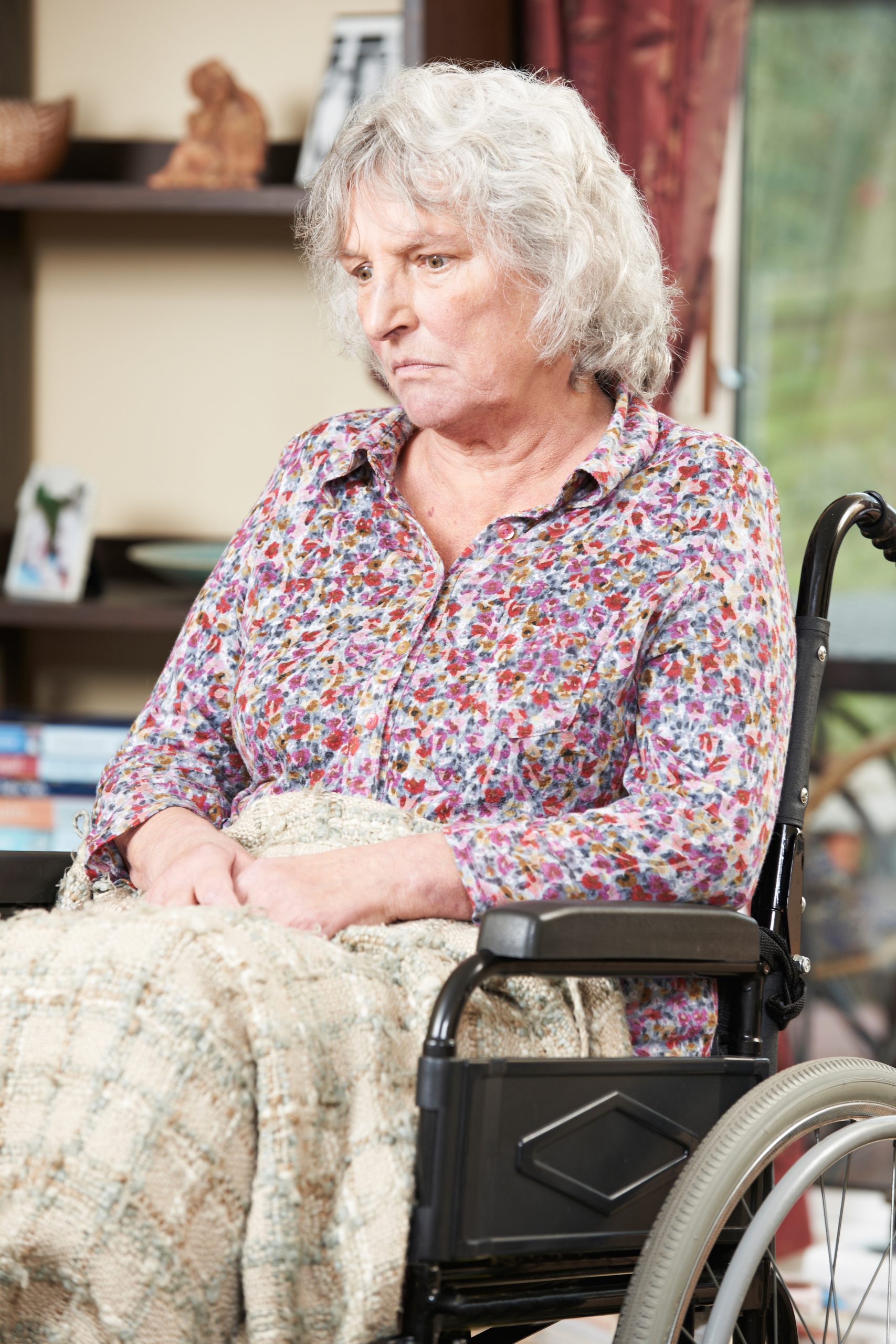
Elder abuse is hardly a new problem; however, as the population of older Americans continues to increase at a historical rate, more people are aware of the severity of the elder abuse problem. Knowing how often instances of elder abuse occur, you undoubtedly worry that an older loved one will become the victim of elder abuse. The best way to prevent that from happening is to educate yourself and remain vigilant. Toward that end, the Long Island attorneys at Eghrari Law Firm explain what elder abuse is and provide some tips for spotting the signs of elder abuse.
How Is Elder Abuse Defined?
When you think of “elder abuse” you likely envision someone physically abusing an elderly person. While that certainly does qualify as elder abuse, the term “elder abuse” is a much broader term that encompasses several different types of abuse. In fact, the National Council on Aging (NCOA) recognizes seven types of elder abuse:
- Physical abuse. Refers to inflicting physical pain or injury upon an older adult.
- Sexual abuse. Includes touching, fondling, intercourse, or any other sexual activity with an older adult, when the older adult is unable to understand, unwilling to consent, threatened, or physically forced.
- Emotional abuse. Involves verbal assaults, threats of abuse, harassment, or intimidation.
- Confinement. Refers to restraining or isolating an older adult, other than for medical reasons.
- Passive neglect. Happens when a caregiver fails to provide an older adult with life’s necessities, including, but not limited to, food, clothing, shelter, or medical care.
- Willful deprivation. Involves denying an older adult medication, medical care, shelter, food, a therapeutic device, or other physical assistance, and exposing that person to the risk of physical, mental, or emotional harm—except when the older, competent adult has expressed a desire to go without such care.
- Financial exploitation. Includes the misuse or withholding of an older adult’s resources by another.
Elder Abuse Facts and Figures
The elder population (aged 65 and older) is the fastest growing segment of society in the United States. Within the next two decades, expert predict that the older Americans will outnumber their younger counterparts (people under 21) for the first time in history. Sadly, older Americans are particularly vulnerable to abuse. According to the Department of Justice (DOJ), one in every ten older Americans will be victimized by some form of elder abuse each year with financial abuse and exploitation being the most prevalent type of elder abuse. Making matters worse is the fact that elder abuse is grossly underreported with as many as 50 instances of abuse happening for every one instance that is reported.
Signs of Elder Abuse
Knowing that the victims of elder abuse frequently do not report abuse, it becomes even more important to look for signs that might indicate abuse. Remaining vigilant and following up when you suspect abuse is the best way to keep an older loved one safe. Common signs of elder abuse include:
- Unexplained bruising.
- Evidence that restraints have been used without good cause.
- Excessive and/or unexplained injuries.
- Weight loss.
- Deteriorating hygiene.
- Mood swings.
- Hostility or anger.
- Depression.
- Deteriorating health without an explanation.
- Medications not taken as prescribed.
- Missed doctor appointments.
- Money or items missing.
- Bills not paid when funds should be available.
- Attempts at isolating the individual, particularly from close family.
What Do I Do If I Suspect Elder Abuse?
If you suspect that an elderly loved one is being abused, try to confirm your suspicions by talking to your loved one if possible. If your loved one is in a long-term care facility, or being cared for by an in-home healthcare provider, make an appointment to speak with a supervisor and/or administrator about your suspicions. You can also contact the appropriate law enforcement agency and make a formal complaint. Many states now have specific laws making elder abuse a unique crime. Finally, consult with an experienced elder law attorney in your area. You may need to petition to become your loved one’s guardian to ensure that he/she is removed from a dangerous environment. Moreover, while elder abuse can be a criminal offense, it can also form the basis for a civil lawsuit.
Do You See Signs of Elder Abuse?
For more information, please join us for a FREE estate planning seminar. If you have additional questions about elder abuse, contact the Long Island elder law attorneys at Eghrari Law Firm by calling us at 631-265-0599 to schedule your appointment.

- All Wills Are Not the Same: Which Type Is Right for Your New York Estate Plan? - October 7, 2026
- What You Should Know About Creating a Special Needs Trust in New York - September 23, 2026
- Recognizing the Signs of Elder Abuse in New York - September 9, 2026

 Applying for Medicaid as a Senior in New York

See Larger Map
Get Directions